

Airlines operate on thin margins, a fragility amplified in emerging markets such as Nigeria. Currency volatility, high financing costs, operational gaps, and weak infrastructure all drive up carriers’ cost base, which in turn leads to higher ticket prices for passengers. According to World Air Transport Statistics (WATS), the three largest costs for airlines globally are aircraft fuel, depreciation and amortisation, and flight crew salaries.
Fuel and oil account for a substantial 28.7% of total airline costs. Depreciation and amortisation make up 9.1%, followed by flight crew salaries and expenses at 8.6%. These ratios vary by region, making it important to examine Nigeria’s specific cost drivers.
Structural Drivers of High Fares in Nigeria
High ticket prices in Nigeria stem from several structural issues: expensive aircraft financing, high jet-fuel costs, overseas maintenance, elevated insurance premiums tied to perceived country risk, and under-capitalised airport infrastructure that requires government subsidy. These factors are interlocking. Addressing only one delivers limited relief; meaningful fare reduction requires coordinated reforms across the value chain. This is the approach the Minister of Aviation and Aerospace Development has adopted.
What the Minister Has Doing
• Aircraft Availability and Leasing Reform
Seasonal spikes in fares, especially during Christmas and peak travel periods, are largely driven by demand outstripping available aircraft. By expanding fleet availability through leasing, airlines are better positioned to meet seasonal demand without sharp price increases.
Historically, Nigerian airlines relied on wet leases or outright purchases because international lessors avoided the market due to legal enforcement and reputational risks. According to the CEO of Air Peace, “the money we use to buy one brand-new plane could get me about 40 or 50 aircraft on dry lease.” In practical terms, instead of spending roughly $80 million to purchase one aircraft outright, the same capital could support the dry lease of 40–50 aircraft, paid through monthly rentals rather than a heavy upfront purchase.
The minister, who has a strong legal background, rallied the judicial system and the government’s ease-of-doing-business team to restore confidence by driving legal and regulatory reforms, including Nigeria’s renewed commitment to the Cape Town Convention. This reform directly improves aircraft repossession certainty and lessor protection. A tangible outcome followed: Nigeria’s compliance score was raised to 75.5%, and it exited the Aviation Working Group (AWG) watchlist in late 2024.
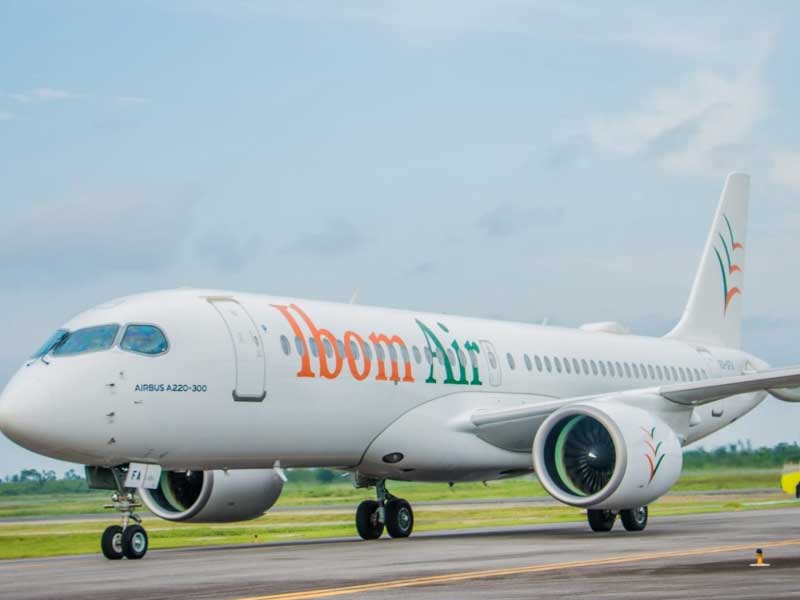
For the first time in over a decade, Nigeria received its first dry-leased commercial aircraft in November 2024. This signals that global lessors are re-engaging with the Nigerian market, reopening access to cheaper and more flexible fleet financing. The Minister’s reputation with Boeing and Airbus has also supported domestic airlines in their fleet modernisation efforts.
• Jet A1 Fuel Supply Dynamics
Aviation fuel accounts for roughly 30–40% of airline operating costs in Nigeria. The federal government has supported policies that encourage domestic refining and supply diversification, particularly following the commissioning of large-scale refining capacity such as the Dangote Refinery.
In 2024, Dangote began supplying significant volumes of Jet A1 into the domestic market, reducing Nigeria’s reliance on imports and exposure to global logistics shocks. This marks a structural shift in fuel availability. However, stakeholders have been clear that refinery output alone does not automatically translate to cheaper fuel at airports. Distribution bottlenecks, pricing frameworks, and foreign exchange settlement issues still affect final pump prices.
The minister has opened a channel for ongoing engagement with marketers, regulators, and monetary authorities aimed at addressing these frictions so that supply gains flow through to airlines. He has also tasked relevant agencies with supporting all market participants to develop alternative solutions that encourage competition and ultimately drive prices down.
•Development of Local MRO Capacity
Sending aircraft abroad for heavy maintenance significantly increases costs and aircraft downtime, while draining foreign exchange. The Minister has actively pursued partnerships, incentives, and memoranda of understanding with international Maintenance, Repair, and Overhaul (MRO) providers to establish viable local facilities.
Recent government and industry announcements point to renewed momentum around local MRO development, with planned facilities designed to serve both Nigerian and regional operators. The objective is to retain maintenance spend within the country while improving turnaround times and fleet availability. MROs are projected to generate $2 billion annually, in addition to saving airlines the costs of going overseas for maintenance.
Keyamo disclosed that he had started speaking to investors who may be interested in partnering with the Federal Government to realise the project, “as government has concluded that such a project could only be realised through a Public Private Partnership (PPP) because of the financial outlay and technical depth needed.”
• Insurance Costs and Perceived Operating Risk
Nigeria’s aviation insurance premiums have historically been elevated due to country risk perceptions and limited underwriting competition. The minister, working through regulators and industry stakeholders, has engaged insurers and market institutions to reassess aviation risk pricing and expand market participation.
As safety oversight, regulatory consistency, and macroeconomic indicators improve, the Ministry’s position is that insurance premiums should better reflect actual operational risk rather than blanket country assumptions. Broadening insurance capacity is a key part of this effort.
•Aviation Leasing and Local Financing Frameworks
Beyond attracting foreign lessors, the Ministry is promoting the development of domestic aircraft leasing and financing structures. Local leasing can reduce exposure to foreign currency risk, align repayment terms with local revenue cycles, and create financing solutions better suited to Nigerian airlines.
Policy signals and engagements in 2024 show deliberate efforts to mobilise domestic capital, pension funds, and financial institutions toward aviation asset financing, reducing sole dependence on offshore debt markets.
• Airport Concession and Private Sector Participation
Nigeria’s major airports are capital-intensive and often underperforming, with operational inefficiencies that raise airline and passenger costs. The Minister is advancing airport concession and private-sector participation as a means to improve efficiency, expand capacity, and reduce the fiscal burden on the government.

Recent approvals and public debate around airport concessions indicate active policy movement. While outcomes will depend on concession design and execution, the objective is clear: better-managed airports that reduce delays, improve passenger processing, and lower indirect airline costs.
•Taxes, Levies, and the Limits of Removal
Aviation taxes and charges fund essential infrastructure, safety oversight, and personnel. Because most Nigerian airports are not financially self-sustaining, wholesale removal of charges without alternative funding would undermine system viability.
The minister’s approach has therefore been pragmatic rather than populist: focus on reducing the underlying cost base for airlines—covering financing, fuel, maintenance, insurance, and airport efficiency—while improving the regulatory and economic environment so the market can scale sustainably. Over time, increased capacity, efficiency, and competition are expected to exert downward pressure on fares.
Reforms take time to yield results, and Festus Keyamo is laying the foundation for a stronger aviation industry which would translate to lower airfares for Nigerians. The Minister’s strategy is systemic rather than cosmetic. By simultaneously tackling aircraft financing constraints, fuel supply inefficiencies, maintenance costs, insurance premiums, and airport performance, the reforms target the structural reasons Nigerian aviation remains expensive.
Early indicators, such as the return of dry leasing and progress on local fuel and MRO capacity, are encouraging. However, sustained fare reductions will depend on consistent policy execution, macroeconomic stability (particularly regarding foreign exchange), and continued private-sector participation. If these reforms hold, Nigerian passengers should see more affordable and resilient air travel over the medium term.